


Twenty temporary winter shelter spaces will open in Coquitlam in January 2026 to support people experiencing homelessness across the Tri-Cities, according to a news release from the B.C. Ministry of Housing and Municipal Affairs.
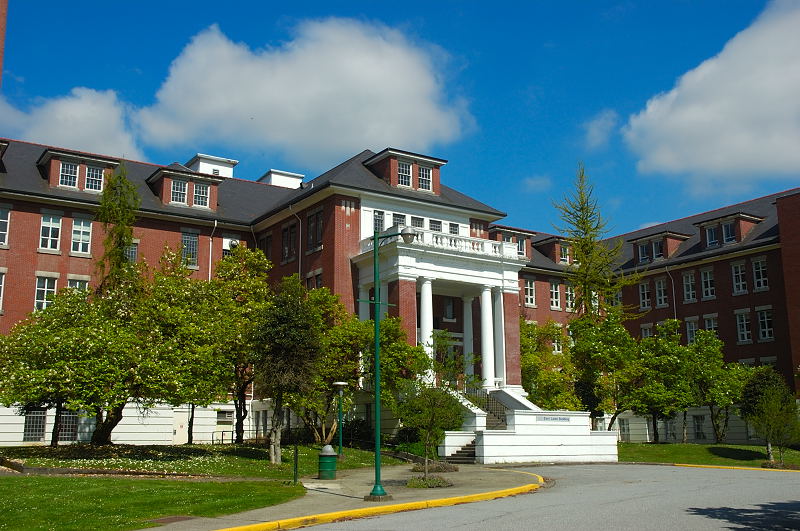
The shelter will be located at 2601 Lougheed Highway at səmiq̓ʷəʔelə, also known as the former Riverview site. It will operate nightly from 8 p.m. to 8 a.m. and remain open until April 2026.

In a statement, Housing and Municipal Affairs Minister Christine Boyle said the additional spaces are intended to help bring more people indoors during the winter months. She said the Province will continue working with local governments, housing partners and the kʷikʷəƛ̓əm First Nation on longer-term housing solutions.
The site is located on land that holds cultural and spiritual significance for the kʷikʷəƛ̓əm people. The shelter is being developed through partnerships involving the First Nation, the City of Coquitlam, BC Housing and the Province.
According to the Province, the shelter will be operated by Progressive Housing and Health Society on a temporary basis from early January until April. A shuttle service with three Tri-Cities pickup locations will be available to help people access the shelter.
Richard Stewart, mayor of Coquitlam, said the shelter will provide short-term relief during a period when winter shelter services in the Tri-Cities were under pressure. He said the city will continue working with the Province toward longer-term solutions.
BC Housing will fund the renovation and operation of the shelter as part of its broader winter shelter program. The Province said it is supporting nearly 6,500 shelter spaces in close to 60 communities across British Columbia this winter.
As of June 30, 2025, more than 1,400 housing units were open or underway in the Tri-Cities, including 80 supportive homes. The region currently has approximately 42 shelter spaces, according to provincial data.
Chief Ron Giesbrecht of the kʷikʷəƛ̓əm First Nation said the Nation supports the temporary shelter this winter while longer-term housing solutions continue to be pursued.